Monday, 20 January 2020

A Kafkaesque World

We've discussed at some length how unsuitable it is to have probation officers functioning as civil servants as part of the forced marriage to HM Prison Service. The two organisations have extremely different identities and cultures and it's quite obvious that NPS as part of HMPPS is dysfunctional and simply not fit for purpose by any measure, which sort of flies in the face of this surprising news that was announced to very limited fanfare on 8th January:-

The National Probation Service (NPS), a statutory criminal justice service that supervises high-risk offenders released into the community, has successfully achieved a 5-star EFQM Recognised for Excellence (R4E) following a rigorous assessment in December 2019. NPS previously achieved a 2-star EFQM Committed to Excellence (C2E) in 2016 and a 4-star EFQM Recognised for Excellence (R4E) in 2017.

EFQM Recognised for Excellence is Europe’s leading recognition programme for organisational performance, and forms part of the EFQM Levels of Excellence.

Amy Rees, Director General for Probation and Wales said:
I am thrilled by this tremendous achievement for the National Probation Service which is evidence of the excellent work undertaken and the dedication our staff demonstrate in their roles to protect the public and change lives.
Sonia Crozier, Chief Probation Officer and Director for Women said:
I am absolutely delighted that the British Quality Foundation has awarded NPS a five star excellence rating. It is a testament to the hard work, commitment and professionalism that our staff show every day in changing lives. Everyone should be exceptionally proud of this considerable achievement especially during a period of enormous change. And it’s was a great way to end 2019.
Of course we now know why there was little publicity for this amazing award because only a week later HM Inspectorate of Probation published its damning verdict on this 'excellent' organisation. In stark contrast they found:-
  • NPS operational staff often felt disconnected from the ‘centre’. They view HMPPS as remote and distanced from operational delivery. 
  • Probation officer vacancies remain high, particularly in London and areas close to London. Over 600 probation officer vacancies were reported in June 2019; however, there were also 614 probation officers in training in June 2019, which in time should ease the shortage. 
  • Workloads for probation officers are unreasonably high. In July 2019, over 60 per cent of probation officers were working in excess of the 100 per cent standard on the NPS workload measurement tool. Nearly 30 per cent had workloads of more than 120 per cent. 
  • The span of control for SPOs is too broad. Half supervise between 11 and 20 staff. This prevents them from supervising staff effectively to ensure they deliver a quality service. Half of the SPOs who responded to our survey said they spend less than 20 per cent of their time monitoring casework. 
  • Continuing professional development of qualified staff is not sufficiently comprehensive or responsive. A culture of learning and continuous development has not been sufficiently embedded. 
  • The use of accredited offending behaviour programmes has substantially reduced. HMPPS is not supporting divisions to properly understand the profile of their service users or to improve their use of services. 
  • HMPPS does not adequately oversee the commissioning process to ensure that quality services are available and accessible to service users. 
  • Gaps in local provision are apparent. The NPS is commissioning services from CRCs but then purchasing very few of them. 
  • Underinvestment in NPS buildings has meant that many probation staff work from buildings that are in disrepair. We found a catalogue of problems on our inspections, including faulty plumbing, broken lifts, vermin infestations and some older premises that are unfit for purpose in a modern probation service. In the last year, only 43 per cent of facilities management jobs were completed within the 10-day target. Business-critical jobs, for example in approved premises, remain unresolved for an unacceptably long time.
Staff 

Despite ongoing recruitment, staff vacancies are high throughout the NPS. Divisions rely on the HMPPS national recruitment process. There has been some progress in meeting staff targets, but there remain many vacancies for probation officers, especially in those areas closest to London. The profile of staff does not match the profile of the offender population; 70 per cent of probation staff are female, whereas 97 per cent of the NPS offender population are male. The NPS is not attracting sufficient numbers of men into the profession.

Workload, especially for probation officers, is unreasonably high. In July 2019, over 60 per cent of probation officers were working in excess of 100 per cent on the workload measurement tool. Nearly 30 per cent of probation officers have a workload of more than 120 per cent. The NPS workload measurement tool does not sufficiently capture the complexity of the NPS caseload, many of whom present a high risk of harm to others, aggravated by multiple offending-related factors. 

The span of control for SPOs is too broad. Half of the SPOs who responded to our survey supervise between 11 and 20 staff. Managing too many staff and holding multiple responsibilities prevents staff from being sufficiently supported to deliver a quality service. We note that the role of the SPO is being reviewed, and we welcome this. The centre does not monitor the workload of other grades of staff, such as administration staff and VLOs. In our divisional inspections, we found that many VLOs are holding a very high number of cases, on average 215 each. 

The Learning and Development Unit sits within the new Performance Directorate in HMPPS and is responsible for learning and development across prison and probation services. The NPS national training team is part of the HMPPS Learning and Development Unit. This team is responsible for identifying the training needs of different grades of NPS staff, commissioning training packages and delivering professional skills training across the NPS. Access to training for PSOs and PQiPs is sufficient for them to gain the required qualification. 

The needs of qualified probation officers, however, are not well met. Newly qualified staff need more support to gain the confidence and skills to supervise the complex and high risk of harm offenders who form the NPS cohort. The quality of training is not always pitched at the right level for probation practitioners and the method of delivering training is not always appropriate. Probation staff find that the e-learning is too basic, the locations of some venues are too far for some staff to travel and some staff are not released to complete training due to high workloads. 

Learning and development is supplemented by divisions creating their own practice guidance. The Effective Probation Practice (EPP) division – originally part of the NPS structure, but now a team in the Performance directorate in HMPPS – has links with the divisions via the divisional Performance and Quality teams. The EPP division issues practice guidance, 7-minute briefings and videos to highlight areas of practice where training or guidance need to be developed. While training events and workshops have been evaluated following delivery, there is no mechanism to evaluate the impact of the EPP division on practice.

7. Organisational delivery standard – staff findings 

This section considers the extent to which staff in the organisation are empowered to deliver a high-quality, personalised and responsive service for all service users. Inspectors pursued lines of enquiry regarding: recruitment; workload; staff supervision; managing poor performance; staff undertaking the Professional Qualification in Probation, known as ‘PQiPs’; newly qualified officers (NQOs); and quality development officers (QDOs). We also conducted an e-survey of band 5 middle managers. 

In our divisional inspections, every division was rated as ‘Requires improvement’ against our standards for staff. 

National staff shortages – the background 

We found staff shortages in all divisions of the NPS. They were particularly acute for the probation officer grade. The number of staff in post has fallen short of the target since 2015; at the same time, the NPS caseload has increased. At the time of Transforming Rehabilitation, a divisional staffing profile was established as part of the operating model. This has proved to be inaccurate, partly because the number of NPS cases has been higher than expected.

In addition, the problem has been exacerbated by national recruitment difficulties, which are particularly challenging in some areas, especially those close to London. Probation officer training was frozen for a period of time, with a resultant gap in the throughput of newly qualified officers; as a result, probation officer grades are particularly stretched.

Workforce planning 

Nationally, the NPS staffing plan has been reviewed to reflect the changing workload. The plan is based on activity costing, the tiering model and the future target workforce. The workforce planning tool incorporates ‘movers and leavers’ and predicts how long it will take to fill gaps, for example through the recruitment of PQiPs. 

The difficulties with workforce planning from the time of Transforming Rehabilitation have not been fully resolved, and this presents a risk to the future unified model of probation. For example, the reported shortage of CRC probation officers has recently changed from 40+ to 500. Data on divisional staffing requirements is not sufficiently accurate, and HMPPS has acknowledged that this is “a work in progress and not as good as it should be”. 

Recruitment 

HMPPS has made some progress in recruiting the numbers of staff required, but national recruitment processes do not always meet local need. Divisions can run local recruitment campaigns for qualified probation officers, but only within the staffing requirements set by the national workforce planning committee staffing forecast. The position for Probation Service Officers (PSOs) is more positive, with few vacancies across the NPS.

There have been lengthy delays in vetting of new starters, resulting in the loss of some successful applicants who have found work elsewhere while waiting for a start date. The length of time taken to complete vetting processes has recently improved. In April 2018, the NPS had 694 vacancies for probation officers. The highest number of vacancies were in South East and Eastern (102). In June 2019, figures showed that the NPS had 3,319 probation officers in post versus a requirement of 3,934 – a gap of 615 probation officer vacancies. 

To address the shortfall of probation officers in the long term, divisions are recruiting high numbers of trainee probation officers (PQiPs). In June 2019, 614 were in training, which is the expected full year cohort. The Director General of Probation has approved the recruitment of 400 PQiP learners to be seconded to CRCs, to ensure continuous service delivery ahead of implementing the unified model. Further work needs to be completed to ensure the accuracy of the vacancy data used to design the unified model of probation. 

PQiPs are appointed to local offices with vacancies, though vacancies may no longer exist in their selected office by the time they have completed their training. On qualifying, a small number of NQOs may not wish to move to another office – which could be some considerable distance away – and they remain in post as a PSO. This is costly to the NPS, as the financial investment in training does not yield a return in such cases. It also adversely affects the ability to fill vacancies in some of the LDUs where NQOs are most needed. Market forces payments for the South East of England and South West South Central do not attract sufficient numbers of staff to work in these high-vacancy areas. 

In summary, centralised recruitment processes are not sufficiently responsive to local need. While progress has been made in recruiting PQiPs, it will be some time before gaps in skills and experience are adequately filled. 

Diversity of the workforce 

The NPS workforce is not sufficiently diverse. Newly recruited probation officers have been predominantly white females, and the staff profile is currently 70 per cent white female. Staff from black, Asian and minority ethnic backgrounds are not represented enough at senior manager level. The entry criteria to PQiP has been widened, and this has attracted more applications from women with diverse backgrounds. A small team has been recruited in HMPPS to help increase the number of black, Asian and minority ethnic staff at all levels of HMPPS, particularly in senior leadership. HMPPS human resources teams have used Facebook and local recruitment initiatives such as school visits to try and attract more diverse applications. Despite these efforts, not enough men are being attracted into the workforce. As a result, there is a mismatch between the profile of the workforce and that of the people under supervision. 

Workload management 

The national workload measurement tool (WMT) is used across the NPS to measure the workload of those who supervise offenders. This tool measures individual, team and divisional workloads based on a nationally agreed Specification, Benchmarking and Costing Framework. Cases are classified by type, complexity and tier. 

We found that staff have little faith that the WMT accurately reflects how busy they are. Some staff are shown as being significantly ‘over 100 per cent capacity’, despite the WMT not covering the full range of tasks they cover. The BSC directorate reports that up to 120 per cent is an acceptable workload, as the level of demand varies between similarly tiered cases. However, this is interpreted by some responsible officers as “120 per cent is the new 100 per cent”. 

During this inspection, the NPS acknowledged that the WMT does not accurately reflect some situations, such as co-worked cases, and is not sufficiently responsive to the complexity and changing demands of NPS workloads. It is recognised that the WMT does not take sufficient account of the complexity of managing women offenders. There is limited scope to introduce changes to the WMT due to budgetary considerations and the limitations of the Notice of Change process. The move of the WMT to Kainos, a private contractor, has improved functionality. For example, Kainos has created a monthly dashboard that provides performance and quality managers with a real-time picture of workload distribution. 

In our view, many probation officers have unacceptably high workloads. In our divisional inspections, only 46 per cent of probation officers said they had manageable workloads, compared with 87 per cent of PSOs and 83 per cent of PQiPs. This correlates with the figures provided by HMPPS for 04 July 2019, when of 2,547 probation officers, 63 per cent (1,600) exceeded 100 per cent on the WMT. A further breakdown shows that 47 per cent (1,189) exceeded 110 per cent, 29 per cent (743) exceeded 120 per cent and 17.43 per cent (444) exceeded 130 per cent. 

The NPS operating model includes ‘case management support’ for probation officers, with a range of specific tasks undertaken by other relevant grades to enhance offender supervision. PSOs were recruited in large volumes to undertake tasks that supported cases held by probation officers, including delivering specific pieces of work identified in the sentence plan and activities such as more complex referrals. 

Case management support was expected to provide an element of workload relief for probation officers. However, the distribution of work between probation officers and PSOs has not sufficiently evened out. WMT data suggests that PSOs are significantly less heavily loaded, with only 10 per cent (75) exceeding 100 per cent, 5 per cent (39) exceeding 110 per cent, 3 per cent (22) exceeding 120 per cent and 1.71 per cent (13) exceeding 130 per cent. 

Divisions can decide whether to use ‘case management support’, and it is not being applied to full effect. Furthermore, PSOs have had some difficulty in accessing the relevant training to manage specific types of case. The impact is that there is insufficient workload relief where it is required. 

Workloads for PQiPs are monitored by divisional training managers and practice tutor assessors (PTAs). NQO workloads are managed by divisions and monitored by the BSC team. NQOs have protected caseloads; however, local pressures often mean that they are required to take on a higher number of cases than planned. This results in NQOs lacking the skills and experience to manage appropriately some of the complex cases allocated to them. 

In summary, probation officer shortages remain a major issue for the NPS, which ultimately cannot be resolved by ‘moving work around’ within limited resources. Until this shortage is addressed, too many probation officers will be managing high caseloads of challenging individuals for which they receive inadequate training and insufficient oversight. This situation undermines the very real commitment and dedication of local staff and managers.

Saturday, 18 January 2020

Clinging to a Dream

Dear Jim,

Thanks for letting me know of Harry Fletcher’s death last week. I am truly sorry that a great champion of the probation service is now no longer with us.

I have just read about the latest news reports of the scathing coroner’s inquest into the Welsh SFO just reported in the national press. After reading the comments about it in your blog, there is something that struck me.

I trained through the DipSW route in the late 1980s sponsored by the Home Office. We probation office trainees were glad to be entering a profession with a proud tradition. Our social work student counterparts were envious of our higher salary and status, self-delusional on our part I know! In turn, as we became main grade officers, we tut-tutted as we read about the endless child care catastrophes like Baby P and Victoria Climbie and consoled ourselves with the thought that at least we were not in a mess like the social work profession. 

Unlike social workers, we had a strong union, not like the supine and ineffectual BASW. We, in the probation service, had practitioners who were leading lights in respected psycho-therapeutic organisations like the Portman Clinic. We were unaffected by political vicissitudes (more or less), unlike local authority social workers who were always at the mercy of venal local politicians.

How times have changed. Since I retired last year there have been 3 probation debacles reported. TR has been disastrous as you have documented in your blog since 2014. I have no faith that joining CRC staff to HMPPS will improve things. Whilst control of the probation service remains under the thumb of central government, much of the creativity and enterprise of probation officers will continue to be strangled. In contrast, if I was to train now on a DipSW I would not hesitate to practice as a social worker, despite the multiple problems they face like most public sector workers.

Just like the prison service, the probation service has been hollowed out of highly experienced staff. It will take 10-20 years to build up that workforce expertise. Just recruiting and having no staff vacancies will not address the long-standing structural problems.

I came into probation via a science degree. Would I have been accepted as an entrant to the service now? Maybe, but concentrating on graduates from one sector, criminology and psychology, is the antithesis of diversity. We are more than just applied criminologists and psychologists. We draw on many disciplines and rely on practitioners who have varied and rich life experiences. This is what makes us, at our best, always hopeful in looking for change in service users no matter how long or problematic their criminal history. 
But always tempered by the realism that we are all but flesh and blood. 

I have always been impressed by the humanity shown by my most respected colleagues in treating everyone with dignity and respect yet being vigilant for signs of a relapse or disguised compliance. This is a difficult balancing act and necessitates extended training (15 months is totally inadequate), excellent supervision (haven’t had that for decades!) and a passion for wanting to turn lives around and help society to have fewer victims in future. This all sounds very quaint and unrealistic like watching the TV show The Waltons but compared with the clusterfuck that has unfolded since November and since 2014 with Graying’s butchery, I will continue to cling onto my vision (dreams?) for a better future in the probation service.

You are free to reproduce any of my meanderings but please bear in mind I aim to work agency and will require a reference from my CRC previous employer.

Best wishes,

Anon

Friday, 17 January 2020

Food For Thought

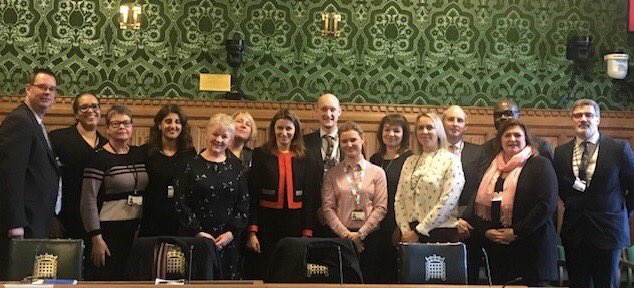
Only a day after publication of the highly negative HMI report on NPS core functions, I saw this photo on Twitter, posted by Lucy Frazer MP, Minister responsible for Probation:-

Image

"As we transition to a new way of delivering probation - strengthening management of offenders in the community, better protecting the public, I was delighted to hear ideas from the new Probation Divisional Directors for the NPS"

Basically it got me thinking. This is the team that have been responsible for the state NPS currently finds itself in, but more importantly, do they inspire confidence that they've got the wherewithal to tackle the problems identified in the HMI report and successfully integrate case management from the CRCs? 

We all know TR was a crock of shite; that having privateers running CRCs was a very bad idea, but it's taken a lot longer to focus attention on the ever-so-smug NPS where unfortunately there remains a very unhealthy air of unjustified superiority. What a wonderfully encouraging environment for the impending CRC case management reintegration? I'm not imagining this either; this came in over night:-
"Are CRC staff finding resistance from NPS staff regarding the reunification of offender management? No-one wanted the split but there now seems to be a lot of hostility, perhaps those in the NPS have come to believe they are elite."
Of course this issue has been around ever since the disgraceful 'shafting' and split, but there's growing evidence it's become institutionalised and it will inevitably poison the reintegration process, further hindering NPS in being able to sustain anything like satisfactory service delivery. Lucy Frazer would do well to ponder on this if the government wants to avoid further negative publicity for the hugely damaged probation service brought about by her Tory colleague Chris Grayling.

--oo00oo--

Locating material to sustain this blog sometimes takes me to surprising places and in this regard I have to thank Twitter again for pointing me in the direction of a brilliant post-election essay just published by Prof David Graeber in the New York Review of Books. 

Interestingly, although principally concerned with a forensic analysis of the reasons behind the recent domestic Labour defeat, the author contends publication in the UK would have been nigh-on impossible, such is the degree of unpalatable truth contained within it. Anyway, a brilliant read, but it was the following that particularly caught my eye with regard to the demise of our profession and growing realisation that we must break free from HMPPS and the dead hand of civil service control:-  

"Whereas the core value of the caring classes is, precisely, care, the core value of the professional-managerials might best be described as proceduralism. The rules and regulations, flow charts, quality reviews, audits and PowerPoints that form the main substance of their working life inevitably color their view of politics or even morality. These are people who tend to genuinely believe in the rules. They may well be the only significant stratum of the population who do so. If it is possible to generalize about class sensibilities, one might say that members of this class see society less as a web of human relationships, of love, hate, or enthusiasm, than, precisely, as a set of rules and institutional procedures, just as they see democracy, and rule of law, as effectively the same thing. (This, for instance, accounts for Hillary Clinton’s supporters’ otherwise inexplicable inability to understand why other Americans didn’t accept the principle that if one makes bribery legal—by renaming it “campaign contributions” or half-million-dollar fees for private speeches—that makes it okay.)

The peculiar fusion of public and private, market forces and administrative oversight, the world of hallmarks, benchmarks, and stakeholders that characterizes what I’ve been calling centrism is a direct expression of the sensibilities of the professional-managerial classes. To them alone, it makes a certain sort of sense. But they had become the base of the center-left, and centrism is endlessly presented in the media as the only viable political position.

For most care-givers, however, these people are the enemy. If you are a nurse, for example, you are keenly aware that it’s the administrators upstairs who are your real, immediate class antagonist. The professional-managerials are the ones who are not only soaking up all the money for their inflated salaries, but hire useless flunkies who then justify their existence by creating endless reams of administrative paperwork whose primary effect is to make it more difficult to actually provide care."

David Graeber is a Professor of Anthropology at the London School of Economics and the author, most recently, of Bullshit Jobs: A Theory. (December 2019)

--oo00oo--

By coincidence, regular contributor 'Getafix pointed me in the direction of this article from Times Higher Education illustrating pretty much the same issue:-

Box-ticking is the inevitable result of top-down impositions

"Overseeing an Athena SWAN application convinced an anonymous academic that if tasks cannot be properly resourced, they should not be attempted at all.

The current industrial action by members of the University and College Union is about many things, and not everything can be solved by cultural change. Yet the way UK universities currently work – or don’t work – has created a system in which everyone loses. It was inevitable that overloaded colleagues could not give Athena SWAN applications the attention required: they were juggling other tasks and needed to protect their personal time.

The neoliberal university incentivises half-hearted implementation. It delegates tasks to those unable to say no. Whether as a conscious coping strategy or out of sheer necessity, slow walking, box-ticking and perfunctory hoop-jumping are inevitable defence mechanisms that people adopt in the face of such top-down managerialism. All too often, valuable staff time is wasted without universities' having anything to show for it. This is Kafkaesque, yet the solution ought to be a simple one: if tasks cannot be properly resourced, it is much better that they not be done at all.

When my school’s new equality, diversity and inclusion committee met to consider the feedback on our successful Athena SWAN application, only a single member of the senior management team showed up. Half an hour late. But perhaps that is as it should be. Staff are not a resource to be managed. Properly empowered, they will flourish of their own accord."

The author was, from 2017 to 2019, a lead in equality, diversity and inclusion in the humanities school of a UK university.

Food for plenty of thought here I think.

Thursday, 16 January 2020

NPS Recruitment Problems Explained

Following on from the recent HMI report on NPS central functions, the BBC's Home Affairs correspondent Danny Shaw used Twitter to beg a question and I reproduce some of the responses:-

WANTED: Men - to serve as probation officers. The service is dominated by white women, inspectors say, and doesn’t properly reflect the gender & ethnic profile of the offenders they supervise. Why is the service unable to attract enough men? Inspectors also urge probation staff to show more professional curiosity, not to accept what offenders say at face value. A timely intervention perhaps...amid concerns about supervision of serial rapist Joseph McCann & London Bridge killer Usman Khan. All this against background of staff vacancies - 650 unfilled posts, a legacy of recruitment freeze around the time of probation reforms in 2014/15 - and high caseloads. Staff responsible for 39 cases each on average, with some looking after 60 offenders.

I’ve got twenty years in probation and can recommend it as a career to other men. To attract more male applicants they need to increase starting pay and change entry requirements. I wouldn’t be able to “get in” now and I’ve managed to claw myself up to an area manager grade.

And it will get worse as once this latest recruitment is over TPOs will be expected to pay for any criminal justice modules they have outstanding on top of any student debt. Thereby also excluding those with huge amounts of life experience so valuable to a job like this!

I feel we were so much luckier years ago to have 2 years post graduate training, otherwise are people just expected to live by their wits?

Katie Lomas An interesting question and one Napo have been asking for some time. Lots of factors but suppressed wages, lack of recognition of professionalism and entry requirements that, until recently, favoured younger women graduates all have an impact.

I have worked as a PO for several years in Cat. B local remand prisons. Then moved over to my current role as a offender manager for the CJS across Devon & Cornwall for the last 18 months. Would like to work in probation but keep getting told I don’t have the qualifications!!

Because the one male friend I know who was a Probation Officer was so stressed by his job he had a nervous breakdown, one mistake and the sword of Damocles is swung upon their heads as Politicians avoided blame for their lack of investment in the service.

MoJ data show the NPS has not managed to increase the overall number of Probation Officers in the 5 years since TR. Those at Director and SPO grade have increased markedly. Maybe decent wages would make a difference.

Sociology of women and work 101 - the feminisation of a profession or semi-profession results in impoverished working conditions. Not meant to be patronising. Just stating a fact. Look to any of the medical-related professions, primary school teaching and so on.

Low pay, low status, little advancement possibilities, huge workload, few good results - men know better than that.

Traditionally probation only had 4 grades and there was no recruitment problem then when I started in 1970s though comparative pay was already falling hence Butterworth Enquiry, but pay has continued to fall & then crash from about 2008.

Presumably the same Inspectors asked ‘How did this come about?’...Qualifications overtook experience, targets overtook professional judgements....a theme carried across so many public services.....

The question should be why can’t the probation service recruit staff at all?

Because as per usual, where women dominate the workforce, the pay is low and the work is hard.

Because it's shit money, massive work load and a thankless task...

Is the equality/diversity employment pendulum swinging back to a more central position I wonder?

Check the rate of pay. Where women dominate, this can reflect low wages.

It doesn't pay well enough for the amount and type of work that has to be done.

Or the level of responsibility they carry.

I think pay has a lot to answer for. You can earn more in prison or social work. My local social worker counterpart is on 10k+ more than me.

Why would you want to do this job? It’s all so so in need of change!

In what other position would you be expected to supervise high risk people who have committed murder, rape and sexual offences, write parole reports and attend Oral Hearings for a starting salary of under 32k?

--oo00oo--

Meanwhile on Facebook there's been response to the HMI report:-

My heart goes out to former probation colleague's in both the NPS & the CRCs. The staffing crisis is real & does damage to each and every member of staff and offenders being supervised. I am also concerned the current PO training at 15 months is insufficient to equip Probation Officers with the skills & abilities they need to work with offenders.

Same, glad I got out when I did.

I would love a job in probation. Have applied many times, have a first class criminology/law degree with voluntary experience in mentoring young offenders. I’m 47 white and never even got to the interview stage of the process. I tried 5 times and gave up.

Did you try applying to a CRC or only NPS?

What a shame it sounds like you have a lot to offer and are serious about the job to try 5 times not just a passing phase like some of the appointees I’ve met. In my view the recruitment process seriously needs looking at. Good luck.

Only NPS.

What annoyed me the most is you cannot get feedback from the recruitment process. I couldn’t work out what I was doing wrong or what they are after. It’s highly frustrating. I’m currently doing a MA in social work at least this gives me a recognised qualification course. I’m afraid I’ve heard too many similar stories about criminology students.

Since I left it seemed to me that they took people who were already working in Probation because they knew the IT system, which was awful, and how the offices operated.

Apply to volunteer for the CRC. You get crucial experience and work directly with offenders. It’s brilliant and the probation staff I worked with were amazing. You also get opportunities straight away with emails about up and coming jobs. Good luck.

Register for agency work with probation. CRC if you can. As above.

I'm glad I was able to take early retirement and redundancy before it all kicked off! I warned the people that I worked with that if they thought it was bad then it was going to get worse. Unfortunately they did not have the opportunity that I had. Mind you - redundancy of £14,000 for 31 years service was crap!

Me too. I got out at the right time. All this was forecast and I do feel for colleagues still there struggling. I also agree with the redundancy. What a load of rubbish pittance for long service and stress.

I currently work in admin, 11 years service. Can't believe that is all you got. What was your role? x

Started as a Community Service Officer in 1981 - loved that job, then they decided to change everything from a centralised CS office and move it to individual offices - that didn't work, then I had to lose my CS caseload and be a Probation Services Officer. Eventually I had a caseload and was a Court officer managing breach of Court Orders. I think over my time I did most things! I was at the top of my pay scale for a long time!

Worked for probation for nearly 11 year but because I don't have a degree I am not allowed to progress to PO, yet I basically do a PO job.

Are you able to do the 4 knowledge modules? I think it's the sponsored route, that will mean you can then go for the PQiP. xx

Not the point. Some PSO's have experience and skills and do the work already - too few PQiP places in the past - lack of support etc and then training is back to basics - frustrating!

Been a PO for 21 years and not got a degree. But then I came through the DipSW route.

I have just been given a blanket no.

There will be apprenticeships coming soon for PSOs to progress.

When you can qualify in 15 months, without having to write a single report and have insufficient time to experience all areas of the job, coupled with the shambles that was TR, I’m not surprised at all!!

By the time we got as far as Charles Clarke, I could see what was happening. The Govt was determined to deprofessionalise and wreck any system that was seen as helpful. Privatisation was inevitable. I really feel for you all. Being a PO/SW completely broke me.

I was a PSO for 15 years and had the opportunity to qualify via PQF over the 3 years. They really need to bring that method back. I have AP, court YOs and rural working as experience as my time as PSO and still nothing prepared me enough to transition at the time of qualifying to a PO over 5 years ago!

No shit sherlock.

The training of new probation officers is going to further contribute to the issues raised in this piece, it is appallingly poor! Newly qualified POs can take up a post with absolutely zero court experience and hence no PSR writing and risk assessment skills. This is where you earn your stripes, questioning, enquiring, challenging the offence account. New staff are scared to ask questions as they not equipped to engage in appropriate interviewing skills. Disasters will increase over the next five years without doubt.

What a holy mess. I too am glad I retired before all this, however, I'm also angry at the complete bollocks made of what was a very good professional service, with ethics and really good training/mentoring. Of course, there are still good people with high values and great skills trying to work in horrendous circumstances. It beggars belief what this Tory privatisation ideology has done.

There does'nt seem to be much or any reference made to the totally shambolic CRC sector the so called "Privatised" half of Probation in this article. I worked in both National and Private sectors, and was, before Grayling and his band of lunatics ripped apart a dedicated, effective and internationally recognised organisation for the sake of putting public money into greedy private pockets, extremely proud of the work we did! As if it's not galling enough to blame the overworked staff whom are still trying to do the job as it used to be done, no blame has been apportioned to the CRCs and their "Managers" whom, in my experience, made it impossible to work effectively by pulling resources, equipment and experience, and replacing same with a "System" that prioritised data entries over effective supervision of offenders, and untrained, inexperienced staff, most of whom tried desperately hard to work out what they were supposed to do! I eventually, after almost 25+ years in the service, walked out in disgust at the CRCs totally abhorrent practice of putting profit before public safety, but still, with my retirement looming ominously on the horizon, remain extremely proud of the work I and my colleagues achieved before the "Government" decimated the profession. It's about time the blame for all the problems was placed at the feet of those whom engineered the problems and NOT at the feet of the staff!

Wednesday, 15 January 2020

NPS Is Not Fit For Purpose

Yesterday's HMI report on NPS core functions pretty much explodes the myth that this command and control civil service bureaucracy has been performing well since the TR omnishambles and is fit and ready to absorb case management from the CRCs. Not only is it patently not ready, there must be urgent reconsideration of the NPS being part of HMPPS before reintegration happens. 

The smug top management is basically out of touch with what's happening at the service delivery level and this fundamental disconnect will only get worse under a malign and corrosive civil service command and control mindset. This from the Guardian:-

Staff shortages leave probation service in crisis, report finds

Public safety is at risk as huge workloads and staff shortages continue to place the probation sector under pressure, inspectors have said, while officers lack the “professional curiosity” needed to spot potentially dangerous behaviour among offenders managed in the community. Her Majesty’s Inspectorate of Probation has painted a picture of a service in crisis with hundreds of vacancies, overstretched officers and managers, and crumbling, overcrowded buildings, including hostels for recently released offenders.

An inspection of the central functions supporting the National Probation Service (NPS), the publicly run arm of the probation sector, which supervises about 105,000 high-risk offenders, found that some officers were not properly reviewing their cases. The report follows a number of high-profile cases with links to probation, including those of the London Bridge terrorist Usman Khan and the serial rapist Joseph McCann. As part of their work, probation officers are tasked with rooting out offenders who claim their behaviour has improved but have not actually reformed – known as “false compliance”.

Khan, a convicted terrorist who killed two people on London Bridge in November while out of prison on licence, appeared to have convinced professionals around him that he was no longer a risk by taking part in rehabilitation courses. Inspectors said false compliance was a real challenge for probation officers who needed highly tuned skills and expertise to interview and challenge offenders effectively. Justin Russell, the chief inspector of probation, said the lack of skills could be down to inexperience in the job.

Amid questions over the failings in the case of McCann, a convicted burglar who carried out a string of sex attacks after being freed in a probation error, Russell said probation officers were still not carrying out basic domestic violence and child safeguarding checks for some offenders. The inspectorate said having a workload that offered “enough space and time to do that reflective thinking” was important.

The NPS has a workforce including 6,500 probation officers and a budget of more than £500m a year. Inspectors rated all of its divisions as requiring improvement on staffing, and none of the areas are fully staffed. High rates of staff sickness average 11 days per person, 50% of which relate to mental health difficulties, and there are 650 job vacancies nationwide.

Russell said the vacancies were in part related to a pause in recruitment from 2014, when disastrous privatisation reforms introduced by the then justice secretary Chris Grayling were being pushed through. Those reforms are in the process of being unravelled after the Ministry of Justice (MoJ) decided to renationalise the sector. Those probation officers in place had an average of 39 cases on their books but could have up to 60 at any one time, while victim liaison officers had an average of 215.

Russell said staff shortages were especially acute in London and the south-east. He said putting probation officers under such pressure could compromise effective work with offenders and their ability to manage cases properly. Staff were being “driven spare” by offices in disrepair, he added. Inspectors found broken CCTV, plumbing and heating problems and one case of a rat infestation. Russell said it was unacceptable that outstanding repairs also meant premises approved for housing high-risk offenders when they were initially released from prison were out of action.

The inspectors also found significant areas of positive performance, including better services for victims and women under supervision. Leadership was good but middle managers were too stretched, the report found. Among 24 recommendations made to HM Prison and Probation Service – the part of the MoJ that runs the NPS – department bosses missed opportunities to make improvements, inspectors said. Russell said immediate steps should be taken to tackle workloads and more investment in training was needed.

The justice minister, Lucy Frazer, said: 


“We know that probation is not getting enough of the basics right – that’s why we are bringing all offender management back under the National Probation Service, which the independent inspectorate says is good at protecting the public. It is also clear that the workload is simply too high for many probation officers and the 800 new officers currently training to join the NPS will make a real difference. I am reassured that the chief inspector shares my confidence in the vision and leadership of the National Probation Service – which will be essential to delivering these reforms.”

Tuesday, 14 January 2020

TR2 In Trouble

Yesterday we heard through a number of tweets that reintegration of case management from CRCs to NPS has been delayed, and today we find out why, because there are significant problems with NPS under HMPPS control. Today's report by HM Chief Inspector of Probation only serves to highlight what the risks are should TR2 proceed without a major rethink and some urgent action. Here is the press release:- 

Chief Inspector urges action on National Probation Service staffing, workloads and facilities

The organisation that supervises high-risk offenders in the community is hampered by staff shortages, stretched middle managers and poor facilities, according to inspectors.

HM Inspectorate of Probation inspected all seven divisions of the National Probation Service (NPS) between July 2018 and June 2019, and found recurring problems with staffing and facilities. The Chief Inspector of Probation decided to conduct an extra inspection into HM Prison and Probation Service’s provision of central functions to NPS divisions.

HM Chief Inspector of Probation Justin Russell said: “Staff across the NPS are committed and hard-working and leadership is good at every level, but high workloads and a poor facilities management service means the NPS is not performing to its full capability. At the time of this inspection, there were 615 probation officer vacancies across the NPS. The service is especially short of this crucial grade of staff, who play a vital role in rehabilitating offenders and protecting the public. The problem is especially acute in London and the South East. HM Prison and Probation Service has overall responsibility for NPS recruitment across England and Wales. Since probation reforms were introduced in 2014, not one of the NPS divisions has been fully staffed. A steady state has never been achieved.”

The NPS is responsible for supervising nearly 106,000 high-risk offenders, and violent and sexual offenders subject to Multi-Agency Public Protection Arrangements (MAPPA). Inspectors found staff who are in post are often overloaded. Sixty per cent of NPS staff have workloads that exceed their expected capacity. Nearly three in ten have been allocated workloads of more than 120 per cent of expected capacity. Victim liaison officers, who work with victims of serious and sexual crimes, have an average of 215 cases on their books.

Mr Russell said: “Many probation officers have unacceptably high workloads. Staff are under pressure and this could compromise their ability to build effective working relationships with people under supervision and to manage all cases to a consistently high standard. NPS probation officers are working with people who have committed serious offences and who require intensive supervision and rehabilitation. We found staff shortages mean some newly-qualified probation officers are allocated complex cases that they do not have the skills and experience to handle competently.”

Inspectors did find “significant areas of positive performance”, including improved services for victims and women under supervision. Leadership is good at every level of the NPS, but middle managers are too stretched. More than two-thirds (68 per cent) of Senior Probation Officer managers said they ‘seldom’ or ‘never’ complete their management tasks each week. Nearly half (47 per cent) put in more than five extra hours per week.

Mr Russell said: “Senior probation officers should be supervising up to 10 staff. In practice, we found half of middle managers are supervising 11 to 20 members of staff, and often have extra corporate responsibilities. They told us they are frequently overwhelmed and do not have enough time to supervise their staff effectively.”

In May 2019, the government announced that the NPS will take over the supervision of all offenders from 2021, taking on nearly 150,000 low and medium-risk cases from Community Rehabilitation Companies. 

Mr Russell added: “HMPPS has made some progress on staffing issues, but they must pursue this work with a greater sense of urgency. Immediate steps must be taken to improve workloads. Senior probation officers should be freed up to provide oversight and guidance to junior colleagues; probation officers need enough time to manage their caseloads properly and to develop their professional skills. Greater investment is needed in ongoing training and development. I urge HMPPS to fill vacancies quickly and work to ensure that the probation workforce better reflects the population as a whole. This will help them to get the right workforce in place to ensure a smooth transfer of cases next year.”

The Inspectorate found HMPPS headquarters missed several opportunities to improve the quality of the NPS’s work. HMPPS has a role in ensuring probation staff learn from serious further offence reviews and complaints. The organisation also collects data about offenders and offences to inform the commissioning of offending behaviour programmes. 

Mr Russell said: “These centralised functions are not performing as they should, and this is preventing NPS divisions from doing their best work. HMPPS does not have a written strategy that sets out how lessons from serious further offence reviews and complaints will be shared. HMPPS should be stepping up to fulfil this role. There should be a comprehensive plan to ensure lessons from serious further offence reviews are captured and shared as quickly as possible. This will help probation professionals to improve their practice and avoid repeating past mistakes."

“Local NPS divisions are not making use of the services that have been commissioned from CRCs. HMPPS should do more to help NPS divisions understand the types of offenders and offences in their region, so they can commission the most appropriate services to meet local needs.”

Over the past year, inspectors have found a multitude of problems with NPS offices. These include: broken locks, faulty CCTV, vermin infestations, and poor plumbing and heating. Some facilities are in such a state of disrepair that they cannot be used. The Inspectorate rated the quality of NPS facilities as ‘Requires improvement’ in six out of the seven NPS divisions.

Mr Russell said: “NPS staff have told us repeatedly that facilities are not managed properly. Repairs are not fixed quickly and there are difficulties with escalating jobs. We looked more closely at the issue in this inspection. The management of NPS facilities is contracted out to four private sector firms, with a fifth company acting as the managing agent. The target is for jobs to be fixed within 10 working days. For the first six months of 2019, less than half (43 per cent) of jobs were completed in this timescale. Although this is an improvement on the previous year, it is still not good enough."

“Probation staff need appropriate facilities to do their job. In particular, it is unacceptable that outstanding repairs at approved premises mean staff have to find alternative accommodation for high-risk offenders because beds cannot be used. The Ministry of Justice needs to hold these companies to account to ensure they deliver the contract as intended. Probation staff deserve to work in safe and secure environments.”

The Inspectorate has made 24 recommendations to HM Prison and Probation Service and the Ministry of Justice to improve central functions to the NPS.

Sunday, 12 January 2020

Pick of the Week 56

The biggest reason for the lack of diverse representation is the change to the qualifying route under PQiP. Recruitment is organised nationally, most of those who get on PQiP have criminology and/or psychology degrees courses which attract a disproportionate number of white young females as opposed to other groups. We need a new training route which can be accessed by other staff already working in probation (PSOs, admin) - it has become incredibly hard for existing staff to get on the training, yet we have more diverse staff especially at lower grades already in the service with valuable experience. 

Targeted recruitment campaigns, advertise in publications and websites which attract male, black and disabled viewers, outreach activity, have a presence at community events,  look at how other organisations improved diversity and follow similar strategies. All of these options are possible (even under civil service control) but we really need to address this imbalance. I think it is actually a form of indirect discrimination not to have a training route which recognises educational disadvantage faced by black people, the barriers to getting a degree are much greater if you are black or poor. We can be more representative of the communities we serve but it takes recognition and analysis of the problem first, then a strategy to address it.

*****
JB nails it viz-'probation is dead' with that simple exchange. NPS & those who perpetuate it are completely happy with the current situation, albeit they add the odd caveat here & there, e.g. "I haven’t got the figures to hand but we have got a way to go." But then they say "We’ve been working on it for as long as I’ve being involved with trainees in 2005."

Perhaps the 'awkward question' should be... Q: So you clearly haven't got it right yet, even though you've been involved in that aspect for 15 years? So why the fuck are you still in the job? Either someone should have booted you out or you should have walked years ago. Perhaps YOU are the problem?

*****
I'm no fan of NPS senior management but even I think you're all being unreasonable here. AC acknowledged that a lack of gender diversity was an issue and asked for suggestions on how that could be tackled. JB mentioned things like research, innovation, salary erosion, etc, which whilst all important issues, don't seem to be directly linked to a lack of gender diversity. Unless you're all suggesting that women are attracted to professions where research isn't carried out, where there is little innovations and where salaries have declined?

*****
It would help if AC actually appeared to have some direction or knowledge and researched base for the feminised recruitment process. If men are wanted but do not apply for roles perhaps they realise they are not actually wanted. The structure of this women dominated profession says it all to would-be applicants.

*****
The image says it all. Amongst the abundance of females, the first apparent male is hiding at the back and the second is billy-no-mates with daylight between him and the rest of the group. It’s a surprise this did not compute to Angela Cossins, Deputy Director National Probation Service South West, South Central, but the gender minority worker is not featured on diversity training.

All Senior Management, including Angela Cossins, know very well what the recruitment issues are. Some of the bigger issues are; The main wage earners in most households are still men – probation jobs simply don’t pay enough and there are many other justice and graduate jobs that pay better.

Except for negative media, not much is known about probation, and both it’s roles and progression opportunities are limited - it needs to raise awareness of the roles in the profession. There are no government-set targets to ensure that sufficient funds are allocated to recruitment drives, including to recruit more men. With a female dominated workforce, male role models in the sector are limited but essential to recruit more young men and males into probation.

There are other potential issues too which require research; Males are more likely than females to be ineligible to apply due to previous convictions. This may be more of an issue in the NPS due to vetting. Probation previously tended to attract administrative staff who wanted to train as probation officers - usually female. Probation training programmes now tend to attract graduates - predominantly those with criminology degrees. Similar to care professions, is it possible the more female dominated probation is the more difficult it will be to recruit males?

*****
But don't despair - "We’ve been working on it for as long as I’ve being involved with trainees in 2005."

*****
Clearly probation still tends “to attract mainly female and mainly white graduates in their twenties (NOMS 2013)”. So we have a white and ethnic diversity of male hardened criminals aged 18-100 years old that will continue to be mostly supervised by young white girls who know more about hair and nails, university and living with mum and dad, rather than having any real life skills, experience and common sense. This problem has been building since 1993 and the article about suggests it is intentional. As probation senior management bury their heads in the sand (or smile and carry on as it is dominated by now middle-aged white women who have helped create the problem), it is unlikely probation recruiters will acknowledge they’ve got it very wrong.

*****
Those bloody women hey! Surely we can agree a more diverse workforce would be a positive thing without having to degrade female staff! Your misogyny is showing.

*****
Most probation officers I’ve seen either look like grungy teenage girls or Essex girls readying for a night out, and do not really have much of a clue what they are doing. When people on probation say “my probation officer knows nothing about me and cannot help me”, they are right? Are male offenders asked whether they want to work with women probation workers.

*****
As a middle aged, middle class, white female who has been in probation since the mid 80s I can assure the collective this problem has been building a long time; especially in London. The main structural problem is the very poor pay; looks good whilst you are footloose and fancy free but you cannot build a professional life style on the public sector pay scale. Historically this has meant the men have left to take better paying work. Due to dreadful property prices this has been a bigger problem for longer in London than anywhere else, but other parts of the country are now experiencing the same problem. Just do something about our dreadful pay!

*****
There is a notable shift in culture following what above is described as a change to a ‘feminised’ Service. The number of conversations I have had trying to convince colleagues that they should take an interest in male issues such as mental health and the appalling male suicide rate which is often linked to separation and family matters. There’s little interest with a common retort that the ‘patricarchy’ in fact privileges all men so they shouldn’t complain. If you have no interest in the needs of over 90% of your client base perhaps this isn’t the right job for you.

*****
For the past decade the whole CJS has suffered from shambolic Conservative policies and ideology. Their coalition with the Lib Dems was really in name only. The Conservatives have been at the helm since 2010. They've opted for a DIY approach, ignoring professional knowledge, advice and research, and allowed a string of incompetent Ministers to make whatever unqualified decisions they feel like. It's now all a total mess with no aspect of the CJS fit for purpose and costing far more to achieve far less.

I personally see no way back anymore, it's to broken. It's all going to have to be torn down, and a 'newbuild' is required. As much as the previous decade is to be lamented so too is the next decade to be very concerned about. No doubt our 'special' relationship with the USA will see a lot of CJ imports coming across the pond post Brexit, but America's CJS is in a worse state then ours. It's hard to work out whether to be shocked by the last decade or frightened by what's to come.

*****
The complete demise of the Probation profession is but one example of the ease with which the nameless, faceless powers that-be can manipulate & engineer whatever outcome they want, regardless. It shows how readily & easily those who are offered a taste of honey will sell themselves out for a slightly bigger pot of honey.

*****
I have just read the revisionist nonsense from Napo & it leaves me irritated, uninspired & concerned. "On May 16th 2019, a date which must surely feature forever in the annuals [sic] of Napo history; we saw a remarkable U-turn in the form of an announcement that 80% of the roles associated with OM work would be transferred to the NPS from the private sector along with the staff undertaking these functions, once the termination of CRC contracts had taken place."

What about the date when Napo silently but firmly held the privateers' cutlass while hundreds of Probation staff were made to walk the plank into professional oblivion? The date when Napo signed off on TR, transferring thousands of staff to the private sector on the most flimsy of terms & conditions in the knowledge it would lead to inevitable & PRE-PLANNED job losses. Oh, and of course there's TR2...

*****
How could we never forget the Napo signing of our demise. That the transfer measures in 2015 that should have secured members pensions, terms and conditions would be so instrumentally sold off later by an ignorant narcissistic Trade Union leader purposefully failing to ensure members had legal representation when agreeing the measures at the time and thereafter to protect them. The demise of Working Links was the work of Dino. Napo's achievements are the demise of their members terms and conditions, employment status and pensions.

*****
It's absolute nonsense for NAPO to claim the credit for any of this. They did nothing.

*****
Is that entirely fair ? They attend meetings or some I am told. They have produced some reports although not very good or useful. They are amateurishly gaming around the membership and employers pretending they know what they are doing but when all is considered Napo is only potentially effective if their combined abilities and talents in the leadership is able. When examined more closely the standard of reporting their self indulged in crowd gravy train wanna bees and their inept response to anything important we must start to realise Napo are just not relevant anymore are they?

*****
It is the performance of the private companies and inability to make Probation work from the hemorrhaging effects of TR that has led to the contracts terminating and transferring to NPS. It's hysterical to think Napo believes it was their work. Government had no time for Napo, that was very clear when they walked away from national collective bargaining in the knowledge Napo would never take that fight on.

*****
"In intensive and complex negotiations around the transfer of Offender Management work to NPS Wales and beyond." Spell it out. What are you talking about Complex? Rocket science is it? This is a short hand report to keep readers off the detail of Napo doing nothing.

*****
Methinks Napo's paid "elite" live in the same distorted, Stalinesque universe as Trump where the 'truth' is whatever you say it is in press releases, blogs or on twitter.

"our impressive campaign which has exposed the folly of the Transforming Rehabilitation disaster"
"Gauke & Stewart sent some important signals that they wanted to do some serious business with Napo"
"Ministerial top cover had been approved for senior MOJ/HMPPS leaders to engage in exploratory discussions with the unions"
"a date which must surely feature forever in the annuals of Napo history"
"a significant victory"
"the most remarkable media engagement that this union and professional association has ever seen in our history"

*****
Napo is in intensive care, on a life support machine. The disease is within and can only be cut out by removing the current leadership who can only claim apocalyptic disaster for its members.

*****
"Attacks on staff, false allegations, inappropriate and failing disciplinary procedures. Sickness absences and Grievances at record highs in my 36 years service. Staff leaving in volume and dissatisfaction across the board. Favouritism, nepotism and cronyism the centre of the Working Links way and those enablers... We disagreed within the union internal national ranks many times as their weak and short sighted agents wanted to form inappropriate agreements. This included most other union officials. I have been complained about from all sides and many times over from them... It is a tough role and at one point I had to take my own national union to the Certifications Officer for their gross incompetence... In my view we are now travelling a different journey and at the least a renewed direction. The General Election outcome will have sealed the future contractual plans for TR2 and a further split for interventions."

As ever Dino provides a warts-&-all account of events which is far more palatable than rainbows & unicorns.

*****
Dino is an amazing rep and been working hard for many never giving up on issues our branch could not have done a fraction without his leadership.

*****
Dino has been an amazing unyielding force in achieving the best for his members. His resilience has seen off the most unbelievable and undeserving nasty attacks not just from the employer but from Lomas, Lawrence, Rogers and the rest of the leadership team of 2018/19. They should feel ashamed as should others for attacking their own colleagues in the workplace for self rewards.

*****
A warts-&-all account I think that should read WARS with what is said in this report. It was once said this branch was led by a controversial character. Courting trouble perhaps? However, their accomplishments in the SW branch has remained the go to place for information strategy and can do approaches than those of the can't do or won't do brigade. Not heard the SW saying the best that can be achieved as an excuse for failing. 

Controversial perhaps but they do appear to achieve in that branch. They have not let up in the years of TR. I did a search and this blog is prolific with vitriolic reports and assertion of their trade union position. That has to be a good thing when you read the awful account of the several Murders. Those SFOs happening while the known failing Working Links exposé by that chair has been on-going. These tragedies and failings of the privatised management of services are clearly to blame and this branch had the foresight it seems to have registered their formal dispute. 

It is clear no one in authority was prepared to heed the NAPO branch chairs warnings. It might also be a record in running a dispute for the years Working links tried to hold onto government funding. It would have been a phenomenal fight against TR had this confidence or tenacity with the strategic outlook. Had that been deployed nationally to all branches what might have been?

*****

What an astonishingly hard working and resilient NAPO SW Branch Chair! Perhaps National Officials should take a leaf out of his book. I am proud to have witnessed the incessant work rate and the torture endured by this shining light for the rights of SW NAPO employees. Despicably attacked by the hierarchy of NAPO (alleged colleagues) who were then to their cost found wanting by the Certification Officer. Despised and alienated by the Working Links Company who then collapsed into administration. Countless representations for NPS and CRC members amid unprecedented grievances, disciplinaries, overwork, sickness absences.

Tirelessly travelling across all corners of the south to support the needs of members.
Instrumental in now repairing the damage caused by the incompetent previous contract holder and its unable and wanting senior management (some still present) to provide a forward thinking and innovative system to support and protect the needs of the employees in TR2. To you Dino Peros and the SW Exec Branch which you have led with passion and integrity, I hold you in high esteem for what you have achieved and for the advice and information you give.

*****
You'd really like to hope that the family of the victim and the officer are all being appropriately supported! Reading the evidence by the officer made me realise I made the right decision to resign as I had many sleepless nights worrying about what I might have missed that day and if I would be walking into an SFO the following - I constantly felt we were not effectively managing risk with ridiculously high case loads and ridiculous unproductive models/targets that we were expected to meet regardless of extremely low staffing levels. I hope the officers' strategic management team and office level management take responsibility as we've seen far too many case managers (PSO/ PO) thrown under buses to save the skins of those who have been complicit in TR/TR2.

*****
These are the observations of a worker in crisis:

“Some days I wouldn’t leave my chair all day. One week I was seeing 15 to 20 people all day. Sometimes I worked until 12 at night. It was very difficult to keep a tab on things. Sometimes I didn’t have time to sit down or even have lunch..."

And now we have the comments of a very modern manager:

"Her caseload of around 60 offenders was appropriate for her level of experience... [she] required support and confidence building... I was aware from the data there was enough items outstanding to be concerned and tools were put in place to help officers... in my view she was well supported".


Can somebody please help me out here & clarify who had what role? Everybody seems to be a 'probation officer'. Is that right?

*****
Does it matter. The buck belongs and stops with the complacent Chief Officer team who supported the failings of the Working Links programme for case management. They allowed the abusive unmanageable cases. The lack of training, failure to support, recognise and do anything about work pressures. They take a salary, yet failed in all aspects of public safety and yet somehow absent from account. Wales senior management did this as they helped Working Links damage the service they must have known could only fail. Working Links need to be held to account. They know what they did and who they are.

*****
Totally agree. This Officer and many others are left out to dry when SFOs occur with Seniors shifting the blame and trying to come out looking like the efficient Manager only doing their job. The reality is the same stuff time and time again on this blog highlighting Officers being overworked, not enough staff and Seniors passing the buck. This profession needs 100's of more staff, but strip the qualifications needed to apply and get more people with life experience, critical thinkers and staff who know what life is like. 

These people are not stupid because they don't have relevant degrees it's the other way round. There are thousands of people out there who could wipe the floor with obnoxious staff who think they are better than others in this service. This poor Officer and all the Officers who go through SFOs have our sympathy, because no one else is going to support them in the CRC or NPS due to job worth's in Senior Management.

*****
My heart goes out to you Kathryn. It feels like you are the scapegoat and I would hope if I had been your manager I would not have said your caseload was 'appropriate' and would have supported you. As been said, the CRC culture has been to be over lenient with enforcement as money talks! I am not the first person to comment that you can't make money out of peoples misery! Of course those senior managers and politicians will not be held to account as to do so would fuel further debate on the CRC/NPS split. Yes, SFOs happen and individuals should not be singularly held to account for systemic failure. No other criminal justice organisation would expect an employee to manage 60 cases and get it right all the time. Best wishes and take care of yourself.

*****
I would not wish this so-called career on anyone in the current climate. The reality for many is to consistently work unpaid overtime to avoid poor performance by trying to meet the ridiculous workloads and targets. Staff being exempt from the values they spout in relation to diversity issues and safety issues. A lack of professional respect and experience not valued as you are just a disposable number to them. Huge impacts on your mental health, family relationships, quality of life with stress and burnout and constantly justifying your every move to protect yourself. Scapegoating and a culture of blame. The list goes on and yes you could leave if you don't like it, but quite frankly it should not be allowed to go on and this treatment and attitude leads to high staff turnover. I feel for that poor PSO as per usual blame is aimed at her rather than the organisation or business as they like to be called. It's shameful. Where is the duty of care to staff and acknowledgement that the workload and lack of proper training and support [are] huge factors.

*****
Oh how I agree with what you say.  As an experienced PO my practice is mainly focused on covering my back. This is not what I joined for and I have personally witnessed wonderful professional colleagues being thrown under the bus by managers. We have not had a consistent manager for the past year. I am actively seeking an out for sure and it makes me weep with frustration and despair for a job I am good at, those whom I try to help better their lives and the loss of a gold standard service. I am tired of attaining meaningless targets set by civil servants who have no clue and ineffectual management.

Saturday, 11 January 2020

Is Seetec Way the Future?

There was a significant announcement yesterday from Seetec:-

Seetec to become one of the UK’s largest employee-owned public services companies.

Seetec, a leading provider of skills, employment, justice and rehabilitation services, today becomes one of the largest employee-owned companies delivering public services in the UK and Ireland. The company has annual revenues of £150 million and will be the 9th largest employee-owned company in the UK by number of employees. A new employee council will be set up to manage and represent the interests of employees, which include frontline probation workers, employment coaches and trainers.

Seetec’s founder and 80 per cent shareholder, Peter Cooper, has sold 51 per cent of the company into an Employee Ownership Trust for the sole benefit of the company’s 2,500 employees. This complements and is in addition to, an existing employee benefit trust (EBT) established in 1990 which owns 18 per cent of the company, as well as a 1.5 per cent stake held by the company’s charity, Your Ambition.

Seetec supervises and supports nearly 30,000 low and medium risk offenders across the south of England and Wales for the UK Ministry of Justice. Through the Department for Work and Pensions’ Work and Health Programme, the company also provides intensive support to people who may be disadvantaged and struggling to get into work. In the Republic of Ireland, Seetec delivers the JobPath employment programme and has helped 30,000 people into work for the Department of Employment Affairs and Social Protection.

The company also provides apprenticeships and training on behalf of thousands of employers including market leaders in aviation, media and logistics as well as small and medium sized enterprises across Great Britain and Northern Ireland.

Peter Cooper retains a 29 per cent stake in the business and will step down from his role as executive chairman. He will continue to chair the main board as a non-executive director. John Baumback, the current managing director, will take over executive leadership of the company as group managing director from 1 April 2020.

Seetec Chairman, Peter Cooper, said:

“Seetec was founded to help people to take ownership and responsibility over their lives and so it is a logical step for Seetec’s employees to take on ownership of the business.

“Our founding ethos was to empower people and deliver social value, attributes that are hardwired into our culture. When 30 unemployed young people first came to a former primary school in Essex more than 35 years ago to learn computer programming skills from Seetec trainers, our simple aim was to help them to change their lives for the better by giving them the tools to shape their future.

“As I approach 36 years at the helm of the business, I have increasingly wrestled with how best to protect these values, ethos and roots in communities across the UK and Ireland. I have never been satisfied that a sale to outside investors would protect our record as a force for good, fearing that we would be subsumed into a corporate culture which is not sufficiently focused on doing the right thing for the people who use our services.

“It is Seetec’s employees who know the people they support best and understand instinctively what it takes to deliver life-changing services. The evidence also shows that employee owners can be more productive, engaged and innovative. Under this structure it is my hope that we can continue our legacy of growth as a private company and represent an alternative way, which creates profit for social value and rewards each other, comfortable in the knowledge that it is possible to do well by doing good.”

Seetec Group Managing Director, John Baumback, said:

“Employee ownership means that Seetec’s future is now in the hands of our people, certain in the knowledge that we cannot be sold to the highest bidder.

“As shareholders in our collective success, with new accountabilities and responsibilities, we have an opportunity to create value not just as employee-owners but for the communities and clients we serve. There is now an exciting future ahead as we establish a new dedicated employee council to manage and represent employees’ interests and shape the next chapter of the company’s future.”

President of the Employee Ownership Association (EOA), Sir Charlie Mayfield, said:

“I welcome Seetec’s move to employee ownership. Employee owned businesses are united by an ethos that puts people first, involving the workforce in key decision-making and realising the potential and commitment of their employees. They create profit with purpose, put people at the heart of the organisation and are characterised by high productivity, greater levels of innovation and higher resilience to economic turbulence. I wish Seetec every success as they join a growing number of employee owned organisations who collectively deliver better business for the UK economy."

Chief Executive of the Employee Ownership Association (EOA), Deb Oxley, said:

“We are delighted to congratulate Seetec on becoming employee owned and excited to welcome them as trustee members of the EOA. Seetec’s focus on people, purpose and its impacts on the communities it serves, positions it well to gain the most from employee ownership including securing its independence, empowering its employees to deliver impact and sustaining the business for the longer term.”

--oo00oo--

This from the FT yesterday:-
UK government services group Seetec becomes employee owned

Seetec, a provider of probation and state training services, has become one of the UK’s largest employee-owned companies, a transition that its founder said would allow it to pursue an “alternative way” of creating “profit for social value”. Company founder Peter Cooper announced on Friday that he had sold a 51 per cent share of the company to an employee ownership trust, which will run for the sole benefit of Seetec’s 2,500 workers. It makes the company — which runs education, training and work programmes for the Ministry of Justice and Department for Work and Pensions among others, and which had a turnover of £150m last year — the ninth largest employee-owned company in the UK. 


The move follows increased scrutiny of private provision of public services after a string of scandals including a chaotic part-privatisation of probation services revealed government money had been spent on inadequate projects. Seetec took over the running of probation services in south-west England and Wales when Working Links, another private provider, collapsed in February last year after inspectors found major failings in its work. All probation services are now in the process of being renationalised. 

Napo, the probation officers’ union, said Seetec had “chosen a progressive future” and showed “a real investment” in staff with the switch. “Whilst Napo still believe in a public probation service, our relationship with Seetec has developed over recent months and is now very positive,” it added. “We hope that other providers will follow suit as it now raises the bar for future contracts.” 

Mr Cooper, who made the sale as he steps away from the day-to-day running of the business, said it was a “logical step” and would prevent Seetec being “subsumed into a corporate culture” with a sale to outside investors. “Under this structure it is my hope that we can continue our legacy of growth as a private company and represent an alternative way, which creates profit for social value and rewards each other,” Mr Cooper said. 

Carys Roberts, chief economist at the Institute for Public Policy Research, a left-leaning think-thank, said employee ownership was “broadly a good thing” but “not a panacea” and would depend on the level of workers’ representation for its success. According to the White Rose Centre for Employee Ownership, there are 370 employee-owned businesses in the UK, and the sector grew 18.5 per cent in 2018, with companies including Riverford Organic and studio Aardman Animations recently adopting the structure.

Deb Oxley, chief executive of the Employee Ownership Association, said employee ownership allowed businesses to plan for the long term and have greater independence, which would be particularly beneficial in public service contracts. “Seetec’s focus on people, purpose and its impacts on the communities it serves, positions it well to gain the most from employee ownership, including securing its independence,” she said. 


As well as the 51 per cent of shares sold to an employee ownership trust, 18 per cent of Seetec will remain in an employee benefit trust for founding staff, and 1.5 per cent will be retained by the company’s charity. Mr Cooper will retain a stake of 29 per cent. Workers will be represented on an employee council and on the board of trustees.

Thursday, 9 January 2020

Harry Fletcher

From Facebook:-
Image may contain: one or more people

Sad news just in from Napo. Our thoughts and condolences go out to Harry's family, friends and colleagues.

It is with sadness that I have to inform you that Harry Fletcher, passed away on 8th January 2020 after suffering a heart attack over the Christmas holidays. The news came as a great shock. Harry was only 72.

Many of you will remember Harry well, as Assistant General Secretary of Napo for over 30 years until he left in 2013. With responsibility for media, parliamentary liaison and campaigning, Harry was extremely successful in making sure Napo had a high public profile and spearheaded many, many successful campaigns on behalf of the union. Over the years he was the ‘voice of Napo’ on TV, radio and in the papers.

I’m sure you will join with us here at Napo HQ in sending our condolences to Harry’s family at this difficult time.

Further details regarding funeral arrangements will be made available as soon as possible.

Meanwhile Kath Falcon has kindly offered to receive messages and tributes from colleagues of Harry which we will publish in Napo Magazine in the future. Please contact (kfalcon@napo.org.uk)

Regards
Ian Lawrence, General Secretary


--oo00oo--

A timely reminder of Harry's work. This from 2013 in the Guardian:-

Privatising probation makes no sense – and will put the public at risk

After months of speculation, the coalition has finally published its plans for privatising probation through outsourcing. Essentially, up to 70% of probation's core work will be put out to competitive tender. Companies likely to bid for the work include Serco, Sodexo and maybe even G4S. The voluntary sector has also been asked to play a part in the sale, but because the schemes are likely to be based on "payment by results", the vast majority are unlikely to be able to compete, as they have no spare capital to risk on such schemes.

The government has said that the public probation service will retain its work with high-risk offenders – approximately 50,000 of them – and also retain the responsibility for giving information in reports to the courts. It however didn't explain how this change will be organised either nationally, regionally or locally. It is at this stage uncertain who will be responsible for recalling individuals to prison for breaching probation orders.

The timing of the announcement is truly jaw-dropping. In 2011, the probation service in England and Wales was awarded the British Quality Foundation's gold medal. In giving the award it said: "They are on the right path to achieving and sustaining excellence and being the best providers of these essential services."

Last year, the probation service met or exceeded all of the Ministry of Justice's set targets. Figures show that victim feedback in 2011-12 was positive in 98% of cases; that 49% of offenders were in employment at the termination of their orders; that 89% had accommodation; and that 82% of orders or licences were successfully completed during the period. In terms of timeliness of court reports, the service was set a target of 90% – and was successful in 99% of cases. And as far as cutting reoffending goes, the actual rate was better than the national predicted rate. In all but five probation areas, three-quarters of orders or licences were successfully completed.

I therefore suspect that the true motivation behind the announcement is to drive down costs, as well as to affirm an ideological commitment to the private sector. In 2012, community service (or "unpaid work" as it is now known) was privatised to Serco in the London area. So far, staff cuts since the transfer are exceeding 20%. That is how the government will make its savings, and the companies their profit.

During the course of the last few weeks, the government has claimed that reoffending rates of people on probation are far too high and cite the example of short-term prisoners who constantly reoffend and find themselves back in prison. Last year, 70,000 prisoners received custodial sentences of 12 months or less, and two-thirds were back in custody within weeks of their release. Yet ironically, the probation service has no statutory responsibility for this group, nor does anybody else for that matter. It is therefore grossly unfair to accuse probation of not working by referring to these particular statistics.

The reoffending rates are actually quite good: 50% for a standard probation order, falling to 35% if the person completes an accredited programme. Given that offenders are complex beings and are 10 times more likely than the general population to have been excluded from school or taken into care, have on average two or more mental illnesses and the majority are addicted to drugs or alcohol and have literacy problems, it is not surprising that reoffending rates are significant.

The government's plans outlined this week are extraordinary thin on detail, and the timetable for delivery is far too hurried. The government has said nothing about what training operatives from Serco or G4S will receive. To date, there seems to be no mechanism for determining what happens if an offender moves from being low or medium to high risk. Crucially, there is also no mechanism to resolve any disputes about risk assessment between the private and public sector.

If this plan goes ahead, the provision of probation services will be fragmented. There will be communication issues between agencies, and any escalation of risk might be missed by the private companies. It is also difficult to see how the private sector will be able to negotiate protocols on sensitive data with the police, and public protection compromises seem inevitable.

The supervision of offenders is complex work. The government's solutions are simplistic, and do not take into account the difficult nature of the work, or the need for local structures and liaison with local agencies. Fragmentation will create silos, and silos will lead to mistakes. All in all, this puts the public at risk.

Harry Fletcher